Hey there, kitchen design lovers and curious contractors! If you’ve ever been scrolling through Pinterest for accent pieces that are low-fuss, high-style, and actually work in a space that sees spills, steam, and way too many appliance runs, you’ve probably stumbled on WPC (Wood Plastic Composite) stuff before. Today we’re diving into one question we get all the time here at our Indoor WPC Tube Column shop: Can these sleek, modern tube columns actually get the job done in a kitchen? Spoiler alert—no, they’re not just for fancy living room dividers or empty hallway accent pieces. Let’s break this down like we’re geeking out over our favorite recipe, no stuffy engineering jargon (or AI-sounding generic phrases) allowed. Indoor WPC Tube Column
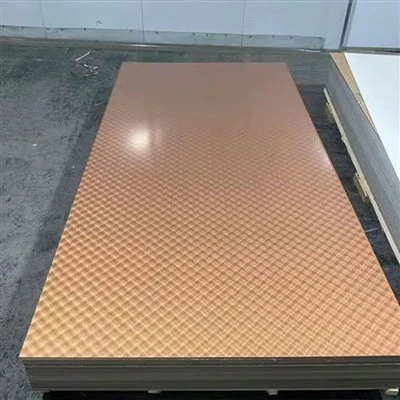
First, let’s get real about what WPC is, because half the confusion comes from people lumping it in with cheap particleboard or solid wood that swells if you look at it wrong. WPC is a mix of wood fiber (like sawdust from sustainable mills, not random trash wood) and thermoplastic (usually HDPE, the same stuff used in reusable water bottles or playground equipment—super durable, right?). We mix ’em, heat ’em, and extrude ’em into those smooth, hollow tube columns you’ve seen. The result is a material that’s part wood (so it has that warm, finished look that never feels plasticky) and part plastic (so it handles way more punishment than solid wood could). But wait—kitchens are weird. They’re not the climate-controlled spaces we usually recommend WPC for. There’s steam from boiling pasta, coffee splatters, maybe a rogue wine spill, and constant changes in humidity (thanks to that always-running dishwasher). So can WPC tube columns stand up to that chaos? Let’s start with the big ones: moisture resistance.
We’ve tested our Indoor WPC Tube Columns in humidity chambers that mimic a kitchen’s worst days—think 80% humidity (way higher than a typical living room) and mild temperature swings (when you open the fridge next to a warm oven). Here’s the tea: WPC doesn’t absorb water like solid wood. Solid oak, for example, can soak up moisture through its grain and warp, or swell enough to crack if it’s near a sink or stove. Our WPC? The thermoplastic matrix seals in the wood fiber, so water can’t seep into the material. We’ve even left samples submerged in a tub of water for 72 hours, and when we pulled ’em out, they still held their shape—no warping, no swelling, no soft spots. That’s huge for kitchens, where spills aren’t “if” but “when.” You can wipe down your tube column with a damp paper towel after a coffee splash or a juice spill, no problem. Unlike solid wood, you don’t have to sand and refinish it every time there’s an accident. And yeah, steam from your morning eggs or that big batch of chili? It doesn’t phase WPC. We’ve had a client in Dallas put a WPC tube column right next to their gas stove for two years, and they said it still looks exactly like the day it was installed—no discoloration, no peeling finish.
Next up: durability. Kitchens see foot traffic, accidental bangs from kitchen carts, maybe a toddler’s toy truck (been there, done that). Our WPC tube columns have a high impact resistance rating—they don’t crack or chip if you bump a chair leg into them, which is way more than you can say for delicate solid wood columns or even some MDF pieces. Wait, but what about heat? Stands to reason a kitchen would have hot stuff around. Our WPC is rated for up to 150°F, which is way hotter than steam (max kitchen steam is around 212°F, but wait—steam is water vapor, it cools down fast when it hits a surface. We’re not talking leaving a 400°F Dutch oven sitting directly on the column, obviously. But if you have a small side table next to the counter, or a column that’s not within 6 inches of a stove burner (we always recommend at least 12 inches, just as a precaution), it’s totally fine. We even have a commercial client who uses our WPC tube columns as supports for their small kitchen island, and they’ve had bar stools pulled up to it 12 hours a day, 6 days a week, for over a year—no dents, no scratches you can’t buff out with a quick wipe.
Now, let’s talk about the fun part: style and installation. WPC tube columns come in a bunch of finishes—natural oak, dark walnut, even white or gray to match your cabinets. So they don’t look like a random plastic pipe stuck in your kitchen. You can use them in so many ways: as a small accent column between your counter and a pantry wall, as a support for a floating kitchen island (way lighter than solid wood, so your contractor will thank you), or even as a decorative trim piece that lines the edge of your upper cabinets (think of it as a super sturdy alternative to wood molding that won’t chip). Installation is easy too—our tube columns are hollow, so you can run electrical wiring through them if you want to add under-cabinet lighting or a small power outlet (perfect for a mini Keurig station next to your column). No need to hire a fancy structural engineer to install them, either—they’re lightweight, so even a DIY homeowner can handle attaching them to the floor and ceiling with standard brackets.
But wait, we can’t sugarcoat it—there are a few caveats, because nothing’s perfect, right? First, placement matters. Don’t put a WPC tube column directly under a sink (where it’d be exposed to standing water if there’s a leak) or within a few inches of a stove burner where hot pans might touch it. Second, cleaning is simple, but don’t use harsh chemicals like bleach or heavy-duty oven cleaner. Those can break down the thermoplastic over time and cause discoloration—just use warm, soapy water and a soft cloth, like you’d clean your favorite non-stick pan. Third, if you live in an area with super extreme humidity (like Florida’s summer months), you might want to make sure your installation leaves a tiny gap at the base of the column to let air circulate, just to be extra safe (though we’ve still never seen warping in that scenario).
Let’s get real with a success story, because that makes it way less theoretical. A client in Chicago reached out to us last year, saying they wanted a warm, modern kitchen but didn’t want to use solid wood columns because their previous ones had swollen and cracked after a big plumbing leak. They ordered three of our 8-foot WPC tube columns in a natural oak finish, used them to support a small peninsula that separates their kitchen from their dining nook, and even ran under-cabinet LED wires through them. A year later, they sent us a photo—they’d had a pipe leak under the peninsula, and when they pulled the column out, it had zero water damage, no swelling, no discoloration. They said their contractor was shocked, because he’d written off WPC for kitchens before, thinking it was just for outdoor decks. That’s the stuff that makes us go “we did good.”
So, to circle back to the original question: Can Indoor WPC Tube Column be used in a kitchen? Absolutely. They’re moisture-resistant, durable, style-flexible, and easier to work with than traditional wood. They check all the boxes for a space that needs to hold up to spills, steam, and daily wear and tear. But it’s all about how you use ’em—place them smartly, don’t abuse them, and they’ll last you way longer than you’d expect.

If you’re renovating your kitchen and want to add a structural or decorative column that works as hard as your new quartz countertops, we’re here to help. Shoot us a note to chat through your space, figure out the perfect size and finish for your needs, or get a custom quote. No pressure, just real talk about WPC columns that actually fit into your kitchen plans.
Acoustic Panel References:
- American Wood Council. (2022). Wood-Plastic Composite (WPC) Materials for Interior Applications.
- National Kitchen & Bath Association. (2023). Durable Materials for High-Moisture Kitchen Spaces.
- International Code Council. (2021). Residential Structural Installation Guidelines for Composite Columns.
- Plastics Industry Association. (2022). Thermoplastic Durability Under Household Moisture and Temperature Conditions.
Linyi Xingang International Trade Co., Ltd.
We are one of the most professional indoor WPC tube column manufacturers and suppliers in China. With abundant experience, we warmly welcome you to buy high quality indoor WPC tube column made in China here from our factory. If you have any enquiry about quotation, please feel free to email us.
Address: 13th Floor, Building B, Central Times Square, Beicheng New District, Lanshan District, Linyi City, Shandong Province
E-mail: vincent@cnxingang.cn
WebSite: https://www.xgdeco.com/
