If you’ve walked through a food and beverage plant, a pharmaceutical lab, or a power generation facility, you’ve seen first-hand how critical consistent, high-purity water is to daily operations. Early in my career as an industrial RO system supplier, I watched a customer panic after a single-stage RO unit failed mid-shift, dumping unfiltered process water into their production line and delaying a $20,000 order. That moment stuck with me—not just as a supplier, but as someone who understands how water quality directly impacts a business’s bottom line and reputation. After years of working with clients across manufacturing, healthcare, and utilities, I’ve seen multi-stage industrial RO (reverse osmosis) systems solve problems single-stage setups can’t. Today, I want to break down why these systems aren’t just an upgrade—they’re a strategic investment for any business relying on purified water. Industrial RO System
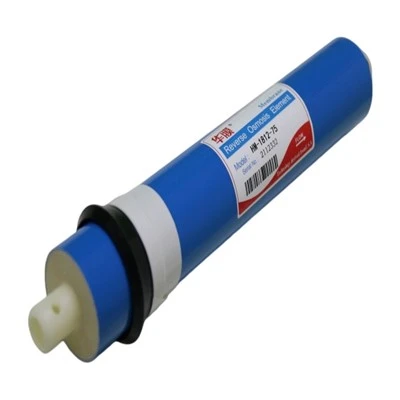
Let’s start with the basics: reverse osmosis works by forcing water through a semipermeable membrane that filters out contaminants, from heavy metals like lead and arsenic to dissolved solids like salt and nitrates, and even microscopic bacteria or viruses. A single-stage RO unit does this in one pass: water enters, is pressured against the membrane, and splits into purified permeate and concentrated brine. It’s simple, affordable, and works for basic needs. But here’s the catch: single-stage RO can only remove up to 95-98% of total dissolved solids (TDS), and it struggles with challenging feed water. For a small café needing filtered water for coffee, that might be enough. But for a pharmaceutical facility requiring water that meets USP Purified Water standards, or a semiconductor plant where even trace minerals can ruin microchips, 98% TDS removal isn’t nearly enough. That’s where multi-stage RO systems come in.
A multi-stage industrial RO system uses two or more RO stages, with each stage built to refine the water from the previous one, plus specialized pre-treatment and post-treatment steps tailored to your feed water quality. The most common configuration is a two-stage RO system, but we also design three-stage setups for ultra-pure water needs. The key advantage here isn’t just extra membranes—it’s how each stage works in tandem to address specific contaminants that single-stage systems miss. Let’s dive into the practical advantages that matter most for industrial operations.
First, superior water purity that meets strict regulatory standards. Regulatory bodies like the FDA, EPA, and USP set non-negotiable purity levels for industries like pharmaceuticals, cosmetics, and even drinking water production. For example, USP Purified Water requires TDS levels below 10 ppm, while Water for Injection (WFI) needs TDS below 1 ppm. Single-stage RO tops out at 95-98% TDS removal, so even if your incoming feed water has 500 ppm TDS, a single-stage unit will only bring it to 10-25 ppm—enough for light use, but not enough for regulated applications. A two-stage RO system, by contrast, achieves 99.5-99.8% TDS removal, bringing that same 500 ppm feed water down to 1-2.5 ppm. For our pharmaceutical clients, this means avoiding costly delays during FDA audits or product recalls. Last year, we worked with a contract manufacturing organization (CMO) that was using single-stage RO for their topical drug production; they were repeatedly failing internal purity tests because residual metal ions from their local well water were seeping through. Switching to a two-stage RO system cut their metal ion levels by 99.9% and helped them pass their next audit on the first try. That’s the kind of tangible, operational benefit single-stage systems can’t deliver.
Next, exceptional consistency in water quality. Industrial operations run 24/7—shifts change, feed water quality fluctuates, production demands spike. A single-stage RO unit is far more sensitive to these variables. If your feed water’s TDS rises unexpectedly, a single-stage system can’t adjust, leading to inconsistent permeate quality. Last year, a textile plant client told me their single-stage RO system would produce perfectly clean water on Mondays, but by Wednesday, TDS levels would jump because their municipal water source draws from a reservoir that gets more sediment and runoff mid-week. They’d have to shut down production to clean membranes or adjust pressure, costing thousands in lost output. A multi-stage RO system solves this because each stage can be calibrated independently. The first stage handles the bulk of filtration, while the second stage adjusts to minor fluctuations in feed water—small changes in pressure or pH in the second stage fix any gaps left by the first. This consistency is non-negotiable for industries like power generation, where boiler water with even 1 ppm of dissolved silica can cause scaling that leads to equipment damage and unplanned downtime. Our power utility clients report that multi-stage RO systems reduce unplanned maintenance related to water quality by up to 40% compared to single-stage setups.
Then there’s higher efficiency in both water and energy use—something that’s critical for businesses looking to cut operational costs. I know what you’re thinking: adding extra stages sounds like it would use more water and power, right? But that’s not how multi-stage RO works when designed correctly. Single-stage systems waste a lot of water because they need a higher recovery rate (the amount of feed water that becomes purified permeate) to be cost-effective, but high recovery can damage membranes and reduce filtration efficiency. Multi-stage RO systems operate at lower recovery rates per stage, which means less stress on membranes, so they can achieve higher overall recovery rates without sacrificing purity. For example, a single-stage system might have a 75% recovery rate, wasting 25 gallons of water for every 75 gallons of purified water. A properly designed two-stage RO system can have an 85% recovery rate, wasting only 15 gallons—cutting water usage by 40% for the same amount of pure water. And when it comes to energy, modern multi-stage systems use energy recovery devices (ERDs) that capture the pressure from the concentrated brine stream and reuse it to push feed water through the membranes. This reduces overall energy consumption by up to 30% compared to two single-stage units running side-by-side. Our food and beverage clients, who spend tens of thousands of dollars a year on water and energy, save an average of $12,000 annually after switching to a multi-stage RO system. That’s a return on investment (ROI) of under two years for most of our mid-sized clients.
Another big advantage is extended membrane lifespan and lower long-term maintenance costs. RO membranes are a significant investment, costing thousands of dollars to replace every 2-5 years, depending on usage. Single-stage systems often have to run at higher pressures to compensate for lower filtration efficiency, which puts more stress on membranes and causes them to degrade faster. They’re also more prone to fouling—when minerals, bacteria, or organic matter build up on the membrane surface. Because multi-stage systems produce purer feed water for each subsequent stage, the second-stage membranes aren’t exposed to the same levels of contaminants as a single-stage membrane. This reduces fouling and scaling, so membranes last 20-50% longer. We have a client in the chemical processing industry that replaced single-stage membranes every 3 years; after switching to a two-stage RO system, their membranes now last 4.5 years, cutting their annual membrane replacement costs by 33%. Multi-stage systems also require less frequent cleaning: single-stage membranes need cleaning every 3-6 months, while multi-stage membranes can go 6-12 months between cleanings, saving on chemical costs and downtime. That means less labor, fewer service calls, and more time focused on your core operations, not fixing water system issues.
Flexibility for evolving operations is another benefit I hear about all the time. Businesses grow, their needs change, and water requirements shift. Multi-stage RO systems are modular, so they can be adjusted or expanded as your operations change. Maybe you start with a two-stage system for basic process water, then add a third stage later if you move into pharmaceutical production or start using a new feed water source with higher contaminant levels. Single-stage systems are not designed for this kind of scalability—you’d have to replace the entire unit, which is a costly and disruptive process. I’ve had small manufacturing clients start with a two-stage RO unit, then add a ultrafiltration stage a few years later when they expanded their product line to include organic personal care products. The modular design of multi-stage RO meant they didn’t have to replace their existing system—they just added the new stage, saving them tens of thousands of dollars and avoiding months of downtime. We also customize each multi-stage system to a client’s specific feed water and output needs, so you’re not paying for features you don’t need, while still having the ability to adapt in the future.
Let’s be honest: no system is perfect, and multi-stage RO isn’t the right fit for every business. If you’re a small business with basic water needs, like a café or small bottling plant, a single-stage RO system might be all you need. But if you’re operating in an industry with strict regulatory requirements, fluctuating feed water quality, or high-volume production that relies on consistent, high-purity water, multi-stage RO is worth every penny. Early in my career, I tried to convince a small juice manufacturer to upgrade to a multi-stage RO system, and they told me their single-stage setup was “good enough.” Two years later, they called me in a panic because their product was failing bacterial tests, and they’d lost a major retail contract. That’s the kind of pain we help clients avoid with the right multi-stage system.
At the end of the day, industrial RO systems aren’t just about filtering water—they’re about protecting your product quality, your equipment, your compliance, and your bottom line. Multi-stage RO systems deliver consistent purity that meets strict standards, reduce water and energy costs, extend membrane life, and offer the flexibility to grow with your business. As an industrial RO system supplier, I’ve seen firsthand how these systems solve problems that single-stage setups can’t, and how they give clients peace of mind knowing their water supply is reliable and high-quality.
If you’re tired of inconsistent water quality, frequent membrane replacements, or compliance headaches from your current water system, it’s time to explore how a multi-stage industrial RO system can work for your operations. Contact us today to learn more about customized solutions for your feed water quality and production needs.
Industrial RO System References
- U.S. Environmental Protection Agency. (2021). Reverse Osmosis for Drinking Water Treatment. EPA Ground Water and Drinking Water Office.
- U.S. Pharmacopeia. (2022). Purified Water and Water for Injection Standards. USP 45-NF 40.
- American Water Works Association. (2020). Water Treatment Membrane Technology Manual, 2nd Edition. AWWA Publications.
- World Health Organization. (2019). Guidelines for Drinking-Water Quality, 4th Edition Incorporating 1st Addendum. WHO Press.
- Industrial Water Quality Association. (2021). Multi-Stage Reverse Osmosis System Performance and Efficiency Report. IWA Technical Committee on Industrial Water.
Fujian Huamo Technology Co., Ltd.
Fujian Huamo Technology Co., Ltd. is one of the most professional industrial ro system manufacturers and suppliers in China, featured by quality products and good service. Please rest assured to wholesale the best industrial ro system made in China here and get price list from our factory. Contact us for custom service and OEM service.
Address: No.6 Hengtong Rd, Shanmei Village, Xiamei Town, Nanan City, Fujian Province, China
E-mail: info@huaromembrane.com
WebSite: https://www.hmromembrane.com/
