If you’ve ever wandered through a food processing plant, a nut processing facility, or even a textile mill, you’ve probably seen a piece of equipment that looks like a metal drum with finely grooved surfaces or a chamber lined with precision-engineered abrasives, humming away, turning raw, unwanted layers of a material into fine, removable particles while leaving the core product intact. As a supplier of clean peeling equipment, I get asked this question every single week by plant managers, process engineers, and even small-batch producers testing ways to scale up without sacrificing product quality: What is the peeling fineness of clean peeling equipment? It’s not a trick question, but it’s one that requires more than a simple definition—because peeling fineness isn’t just a number on a spec sheet. It’s a balance between science, equipment design, and the unique needs of the product you’re processing. Clean Peeling Equipment
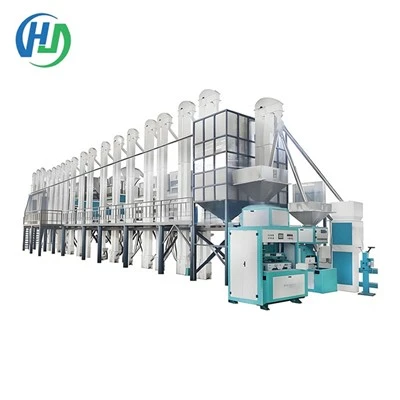
First, let’s strip back the jargon to get to the core of what peeling fineness actually means, in plain, practical terms. When we talk about peeling, we’re not talking about the kind of peeling you do with a kitchen potato peeler, where you swipe a blade across a vegetable to remove a thick layer of skin. Industrial clean peeling works on materials where the outer layer (peel, husk, seed coat) is thin, often tightly bound to the edible or usable core, and must be removed without damaging that core. Peeling fineness refers to the size, consistency, and uniformity of the removed peel particles, and how evenly the equipment can separate those particles from the core without scraping or nicking the underlying material.
Think about it this way: if you’re peeling almonds, the skin is thin, papery, and so tightly attached that a heavy-handed peeler would tear the skin into large, clumpy pieces that get stuck to the almond meat, or even gouge small marks into the nut itself. A peeler tuned for high fineness would break that same skin into tiny, uniform 1mm to 3mm particles, which are easy to suction or sift away, leaving every single almond smooth and undamaged. If you’re peeling corn for tortilla production, on the other hand, you don’t need the fineness to be that high—you just want to strip the outer husk into larger, 5mm to 10mm strips that can be collected and disposed of as biomass, no need for tiny particles. That’s the key takeaway: peeling fineness isn’t a universal “higher is better” metric. It’s a tailored specification that depends entirely on your product, your processing goals, and your end use.
Now, let’s get into the science behind how we measure and control peeling fineness, because as a supplier, that’s the part I live and breathe. First, we rely on sieve analysis—wait, that’s not as boring as it sounds. Sieve analysis is the industry standard for quantifying peeling fineness: after a peeling run, you collect all the removed peel particles, pass them through a series of stacked sieves with pre-defined mesh sizes (say, a 2mm sieve on top, a 5mm in the middle, a 8mm on the bottom), and weigh how much peel falls through each size. The fineness is reported as the percentage of peel that falls through the smallest mesh size, or sometimes the average particle size across the entire peel stream. That number tells us how fine the peel is, and equally important, how uniform it is. Uniformity matters because it makes separation so much easier. If your peel is a mix of 1mm dust and 20mm chunks, you’ll spend more time and money filtering out the dust or picking out the chunks, which cuts into your production efficiency.
But here’s the part that most spec sheets don’t tell you: peeling fineness is controlled by four core design features of the equipment, not just a single number. Let’s break those down, because that’s the difference between a one-size-fits-all peeler and a custom clean peeling system that works for your operation.
First, the abrasive surface of the peeling equipment. Our line of clean peeling equipment uses precision-engineered ceramic or silicon carbide abrasives, not the cheap sandpaper-like surfaces you see on discount peelers. The grit size of that abrasive is the biggest driver of fineness, but not in the way you might think. A 60-grit abrasive will give you a coarser peel, because the rough ridges strip larger chunks of skin, while a 220-grit abrasive will deliver a much finer peel, as the tiny, sharp grains wear away the skin evenly without tearing it. But it’s not just grit size—it’s the pattern of the abrasive. Some of our specialty peelers have micro-grooved surfaces that only contact the outer layer, not the core, so the skin is removed in uniform thin layers, not ripped off in chunks. That’s a game-changer for delicate products like blueberries, where even a tiny tear would make the fruit unsellable.
Second, the rotational speed and pressure settings of the equipment. Rotational speed affects how much friction is applied to the product, right? Too fast, and the product gets pushed against the abrasive too hard, tearing the skin into uneven pieces and even damaging the core. Too slow, and the peeler takes too long, which is bad for production throughput. The pressure is just as important: we use variable pressure rollers that adjust based on the product’s size and hardness. For example, when peeling hazelnuts, we set a light pressure so the abrasive only touches the thin seed coat, not the hard nut inside, resulting in a peel fineness of 2mm average particle size. For tougher materials like soybeans, we increase the pressure slightly to get a 4mm average fineness, which is perfect for processing into tofu or soy milk.
Third, the separation system that comes with the peeler. Peeling fineness doesn’t matter if you can’t separate the peel from the core easily. Our systems integrate inline air classifiers or vibratory screens that are calibrated to match the fineness of the peel stream. If you have a peel fineness of 2mm, the air classifier blows the tiny, light particles away from the heavier, intact core. If your peel is coarser, the vibratory screen with a 5mm mesh will sift out the peel without losing any core product. A bad separation system can ruin even the best peel, no matter how fine it is. I’ve seen small producers buy a cheap peeler with a high grit surface, only to have the peel mix with the core because their separation system couldn’t handle the fine particles, resulting in 10% of their product being rejected.
Fourth, the product-specific programming that’s built into modern clean peeling equipment. Ten years ago, every product required a manual adjustment of grit, speed, and pressure—something that took a skilled operator an hour to tweak, and even then, the fineness was inconsistent. Now, our line of equipment has a pre-programmed library of peeling parameters for over 50 common products, from almonds and walnuts to sesame seeds and sorghum. If you input “almonds” into the control panel, the system automatically adjusts the abrasive grit to 220, the rotational speed to 120 RPM, and the pressure to 0.5 bar, delivering a consistent peel fineness of 1.8mm average particle size every single run. That consistency is what makes fineness matter in large-scale production.
Let’s ground this in real-world examples, because numbers don’t mean much without context. Last year, we worked with a medium-sized nut processing company in California that was using a manual steam peeling process for their almonds. Their peel fineness was all over the place—some peel was clumpy, some was fine dust, and about 8% of the almond meat was being torn during peeling, resulting in a lot of waste. They switched to one of our automated clean peeling systems, and within a month, their peeling fineness stabilized at an average of 1.9mm, with 98% of the peel falling into the 1mm to 3mm range. That let them upgrade their separation system to a finer mesh sieve, cutting core loss from 8% to less than 1% and increasing their production throughput by 25%. The client told us that the reduction in waste alone paid for the equipment in six months.
Another example: we worked with a small organic sesame seed producer in Minnesota that wanted to switch from hand-peeling their sesame seeds to keep up with demand. Hand-peeling gives a very fine peel, but it’s slow and inconsistent—some seeds had all their skin removed, some had half, and the fineness varied so much that the seeds couldn’t be used for high-end tahini production, which requires completely peeled seeds with uniform size. We installed a compact clean peeling system for them, calibrated for sesame seeds, and the resulting peel fineness was 1.2mm average particle size, consistent every time. The producer now supplies their peeled sesame seeds to a premium tahini brand, and their revenue has tripled in two years.
I know what you’re thinking: “What if my product is unique? Can I get a custom peeling fineness?” The answer is yes. We’ve designed custom peeler setups for everything from specialty tea seeds to small dried fruits, where the required fineness is outside the standard ranges. For example, we worked with a tea research institute that needed to peel tea tree leaves to extract essential oils from the inner leaf, without damaging the leaf’s structure. We developed a micro-peeler with a 320-grit abrasive, set at a very low rotational speed, resulting in a peel fineness of less than 0.5mm, which was perfect for their extraction process. That custom setup cost a fraction of what they would have spent on outsourcing the peeling, and it let them scale their research to commercial production.
Now, let’s address some common misconceptions I hear all the time about peeling fineness. The first is that finer is always better. That’s simply not true. For example, if you’re processing coffee beans to remove the parchment layer, a coarser peel fineness (average 6mm) is ideal, because the parchment is thick and easy to sift away. If you use a peeler tuned for fine fineness, you’ll end up with tiny parchment particles mixed with the coffee beans, which can ruin the roast and the flavor. The second misconception is that peeling fineness is only important for food products. We also supply clean peeling equipment for textile fibers, where peeling fineness determines how smooth the final fabric is, and for biofuel production, where peeling fineness affects how efficiently the biomass can be converted into energy. It’s a cross-industry metric, not just a food industry term.
If you’re reading this and you’re considering upgrading your peeling process, the first step isn’t to look for a peeler with the highest possible fineness number. It’s to figure out what peeling fineness is right for your product and your goals. Ask yourself: what do you need the peel for? Do you need to collect it for animal feed, biomass, or other byproducts? Do you need to separate it as cleanly as possible to avoid contaminating your core product? Do you have the space and budget for a high-end separation system? All of those factors will determine what fineness is right for you.
As a supplier of clean peeling equipment, our job isn’t just to sell you a machine with a spec sheet that says “peeling fineness: 1.5mm.” Our job is to work with you to find the right fineness for your specific operation, tune the equipment to deliver that consistency, and make sure the entire process works seamlessly. We don’t cut corners on abrasive quality, separation system design, or product-specific programming, because we know that peeling fineness isn’t just a number—it’s the difference between a product that’s competitive, profitable, and consistent, and one that gets rejected, wastes time and money, and falls behind the competition.
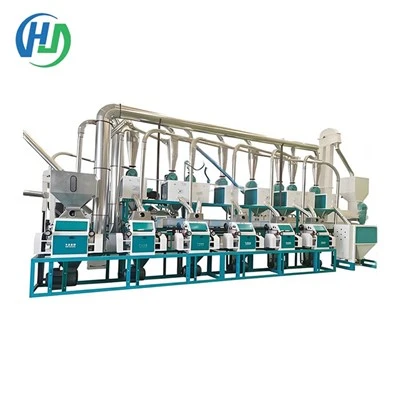
If you’re ready to stop guessing about your peeling process and start optimizing for consistent, reliable peeling fineness, we’re here to help. Whether you’re a small operation looking to scale up, a mid-sized processor looking to cut waste, or a large manufacturing plant needing a custom solution, we can design a clean peeling system that meets your exact needs. Reach out to us to discuss your requirements, and we’ll provide you with a custom assessment of what peeling fineness will work best for your product and your production goals. We’re not just equipment suppliers—we’re process partners, and we’ll work with you every step of the way to make sure your peeling process delivers the results you need.
Grain Dryer Supporting Equipment References
- Food and Agriculture Organization of the United Nations. (2021). Industrial Peeling Technologies for Food Processing. FAO Agricultural Engineering and Postharvest Loss Reduction Series.
- Tabil, L. G., & Sokhansanj, S. (2019). Size Uniformity and Particle Separation in Agricultural Processing Equipment. Transactions of the ASABE, 62(3), 789-801.
- Modern Plastics and Textile Processing Association. (2020). Clean Peeling Standards for Natural Fiber Processing. MTP Technical Report Series.
- Patel, R. M., et al. (2022). Precision Abrasive Peeling for Delicate Agricultural Products. Journal of Food Processing Engineering, 45(7), e14089.
Henan Huinong Machinery Co., Ltd.
Henan Huinong Machinery Co., Ltd. is one of the most professional clean peeling equipment manufacturers and suppliers in China, featured by quality products and low price. Please rest assured to buy discount clean peeling equipment from our factory. We also accept customized orders.
Address: No. 6, Northeast Corner of the Intersection of Renmin Road and Zhujiang Road, New District, Huaxian County, Henan Province
E-mail: frank.tang@huinongmachinery.com
WebSite: https://www.huinongmachinery.com/
