Hey guys, I’m [your name here], and if you’ve ever wandered down the pet treat aisle, you’ve probably glanced at those matte, foil-looking bags holding your pup’s (or cat’s) favorite jerky or training bites. As someone who’s spent the last 7 years as a supplier of pet food composite bags, I get so many questions from pet owners, small treat brands, and even my own cousin who swears he’s saving money by reusing old kibue bags. Today I’m breaking down the big one: Can pet food composite bags be used for dry pet treats? Spoiler alert? It’s not a straight yes or no — it depends on a few key things, and there’s way more to it than just “does it hold stuff.” Pet Food Composite Bags
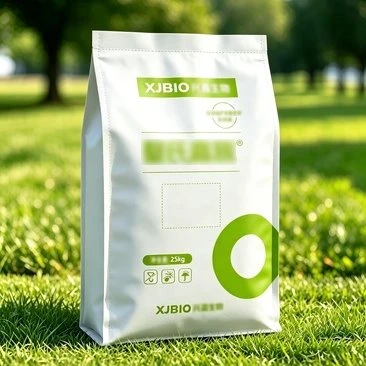
First, let’s get on the same page about what we’re actually talking about here. Pet food composite bags aren’t just flimsy plastic. They’re layered — like, actual laminate layers — usually a mix of food-safe plastic, aluminum, and sometimes paper or film. For kibble, the layers do specific work: they block out oxygen (which makes kibble go rancid), lock in moisture so it doesn’t turn stale, and keep out light that can break down vitamins. Most people don’t realize dry pet treats have their own specific needs, and not all treats are created equal. That’s where it gets messy.
Let’s start with the treats that work seamlessly in standard pet food composite bags. If your treat is super low-moisture — like a hard biscuit, freeze-dried liver bite, or plain training chew that barely has any water content — you’re golden. I’ve seen small home-bakers turn to our standard kibble bags all the time for these because the barrier layers do exactly what they need. I remember a lady from Texas who makes homemade dog biscuits and used to use regular grocery bags, then switched to our 5lb composite bags for her homemade stuff. She told me her treats stayed crunchy 2x longer, and she got way less complaints about them going stale in 2 weeks. That’s the win. Freeze-dried treats? Even better — those are basically freeze-dried so they need zero extra moisture, and the oxygen/light block in our composite bags keeps them from losing that crisp, flavor-packed texture that pets go crazy for.
But here’s the catch: not all dry pet treats are the same. Some are what we call “medium-moisture” treats — things like jerky sticks, soft training bites, or dental chews that have a little more water than a biscuit. Standard pet food composite bags are usually designed for kibble, which has a super low moisture content (around 8-10%). If you put a medium-moisture treat (15-25% moisture) in a standard kibble composite bag, two things can go wrong fast. First, the treat might make the bag’s inner layer break down a little over time — the aluminum layer, which is supposed to be totally inert, can pick up odors or even leach tiny amounts into the treat if there’s too much moisture trapped, especially if the bag isn’t sealed tight. Second, the treat might not stay fresh as long because the standard barrier isn’t calibrated for that extra moisture. Wait, but what about the thicker composite bags we make for premium treats? Oh right, that’s a whole other product line — we have specific composite bags for medium-moisture treats that have an extra layer of food-safe, moisture-resistant film to prevent that breakdown. I always tell people: if your treat has any “chewy” vibe instead of “crunchy,” skip the basic kibble bags and go for the treat-specific ones.
Another big point: sealability. Pet food composite bags — especially the resealable kind, which 90% of pet owners and brands use these days — have special seals. Kibble is dry, so the seals are designed to block tiny amounts of moisture, but treats that need to stay chewy need a way tighter seal. Let’s be real: no one wants a bag of jerky that’s hard as a rock 3 days after opening. I’ve had a client who runs a small pet treat brand test this on their own — they tried using kibble bags for their soft chicken treats, and within 4 days the treats were stale and crumbly. They switched to our treat-grade composite bags with a double-zip seal, and now their treats stay chewy for 2 weeks after opening, which is exactly what they promised on their product labels. That’s the kind of real-world test you can’t get just from reading a spec sheet.
Also, let’s talk about something way underrated: odor control. Dogs and cats have way better noses than humans, right? A lot of dry pet treats have strong scents — like salmon, peanut butter, or cheese — that will seep through thinner bags. Standard pet food composite bags have a really good odor block, but if you’re using a lower-quality bag (I see a lot of no-name brands cutting corners on layers to save a buck), that scent will escape, and your pet might lose interest in their treats. Wait, can reverse that? If you put treats in a kibble bag that’s absorbed old kibble odors? Absolutely. I’ve heard horror stories where a kibble bag that was used for fish-flavored kibble was then reused for peanut butter treats, and the treats smelled like old fish. That’s a hard pass — don’t reuse used composite bags, even if they look clean. Our composite bags are single-use in that way, because the layers absorb odors over time, and you don’t want that transferring to your treats.
Now, what about environmental stuff? A lot of pet owners are big on sustainability, so I get questions about that too. Our composite bags are recyclable in most curbside programs now, but only if they’re kept clean. If you’re using a composite bag for dry treats, you just have to make sure it’s completely empty when you recycle it — no crumbs or treat residue left, because that can contaminate the whole batch at the recycling facility. I work with a few small treat brands that also do compostable composite lines for pet treats, which is a game-changer for people who want to minimize their pet’s carbon paw print. That’s a side note, but it’s worth mentioning because it ties into how the bag works for treats, too — compostable bags have different layers that work even better for sensitive treats because there’s no plastic leaching, just plant-based materials.
Wait, let’s clear up a common myth: some people think all composite bags are the same. Nope. We make different grades for different products. The 1lb and 2lb composite bags we make for small biscuit brands are way thinner than the 25lb ones we make for big kibble manufacturers. For treats, we usually recommend 1-5lb composite bags with a matte finish — that finish is actually part of the barrier, because it reflects light, which helps keep treats fresh longer. I’ve seen brands switch from glossy plastic treat bags to our matte composite bags, and their customer reviews went up because owners noticed their treats stayed crunchier longer. That’s the small stuff that makes a big difference.
I should also mention who this is for, because not everyone is a commercial brand. If you’re a pet owner just storing your own homemade treats for your dog, can you use a pet food composite bag? Only if it’s a new, unused bag, and your treats are low-moisture. If you’re storing medium-moisture treats, like jerky, go for a small treat-specific composite bag instead. Don’t try to stretch a big kibble bag — it might save you a couple bucks now, but your treats will go bad faster, and that’s just a waste of money. I’ve had a few regular customers who are hobby bakers tell me they used to reuse kibble bags and ended up throwing away half their treats because they went stale. Now they buy our small treat bags, and they say it’s worth every penny.
Another thing: temperature. If you’re storing treats in a hot garage or a sunny closet, the bag’s light and oxygen barrier is even more important. Heat breaks down fats in treats, which makes them go rancid way faster. Our composite bags block UV light, so even if you store the bag somewhere bright, it keeps the treats from turning sour. I had a customer in Arizona who keeps his dog’s treats in his garage (not the best spot, but he has a small apartment) — he used a regular plastic treat bag, and his treats went rancid in a week. Switched to our composite bag, and they stayed good for 3 weeks. That’s a huge difference.
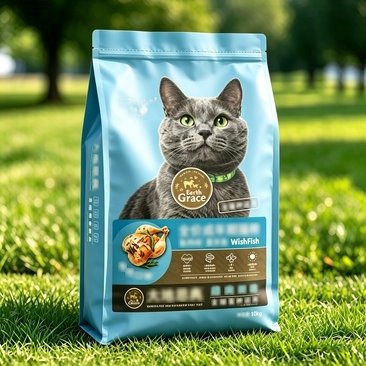
So putting it all together: Can pet food composite bags be used for dry pet treats? If your treats are low-moisture (biscuits, freeze-dried bites, hard chews) and you use a new, unused composite bag designed for kibble — yes, that works. If your treats are medium-moisture (soft bites, jerky, dental chews) or you want extra freshness, go for a treat-specific composite bag. And never reuse old composite bags, no matter what — the odors and residue will mess up your treats.
Aquatic Feed Woven Bags Now, if you’re a small pet treat brand, a hobby baker, or just someone who wants the best for their pet’s treats, I get that choosing the right bag can be overwhelming. You shouldn’t have to guess if a bag will work, or waste money on ones that don’t. We make all kinds of pet food composite bags, from small 1lb ones for homemade treats to 5lb ones for commercial brands, with options for compostable, resealable, and extra odor control. If you have questions about what kind of bag is right for your treats, or you want to order samples, hit me up. We’re here to help make sure your treats stay as fresh and tasty as they can be — no guesswork, no hassle.
References
- Pet Food Packaging Institute. (2022). Barrier Properties of Multi-Layered Composite Bags for Dry Pet Food.
- American Animal Hospital Association. (2021). Best Practices for Storing Dry Pet Treats to Maintain Freshness.
- Sustainable Packaging Coalition. (2023). Recycling Guidelines for Multi-Layered Pet Food and Treat Bags.
- Journal of Veterinary Behavior. (2020). Effects of Packaging Odor Transfer on Companion Animal Food Preference.
Zhejiang Xifeng Packaging Co., Ltd.
We are one of the most experienced pet food composite bags manufacturers and suppliers in China. With a professional production team, we offer a wide range of products with superior quality. Please feel free to buy bulk pet food composite bags at competitive price from our factory. We also accept customized orders.
Address: Xiaojiang Town, Pingyang County, Wenzhou City, Zhejiang Province, China
E-mail: zjxifeng@126.com
WebSite: https://www.xifengpackaging.com/
