If you’ve ever dealt with tight, achy legs after a long day on your feet, a tough workout, or even just sitting at a desk for hours, you’ve probably stumbled across all kinds of weird wellness hacks—from foam rolling to cold plunges. But let’s be real, most of those either leave you sore for days or don’t do much beyond a quick temporary fix. That’s where leg guasha comes in. As someone who’s been supplying guasha tools and tips for years, I’ve seen first-hand how this simple, old-school practice can actually make a difference for people’s leg tension—no fancy equipment or fancy routines required. But first, let’s get this straight: it’s not just rubbing a stone on your legs. There are actual, science-backed methods to do it right, and that’s what I’m here to break down for you. Guasha

First off, let’s clear up what leg guasha even is. Guasha (or Gua Sha, if you spell it the traditional way) is a Traditional Chinese Medicine (TCM) technique that’s been around for over 2,000 years, where you use a smooth-edged tool to scrape the skin gently to boost blood flow, reduce tightness, and help your body flush out excess fluid. Leg guasha is just that—tailored to your lower body, which deals with so much: walking, standing, running, even just gravity pulling on your calves, thighs, and feet all day. A lot of people think it’s only for “facial guasha,” but leg guasha is where the real tension relief magic happens.
Now, let’s get into the actual methods. I’ve worked with thousands of people over the years testing these, and the best ones are the ones that are easy to follow, don’t hurt, and actually give you results. Let’s start with the prep, because that’s half the battle. No one wants to scrape dry skin—you’ll just get irritated. Slather on a natural oil first: something lightweight like jojoba, sweet almond, or even a good body oil works. It lets the tool glide without pulling your skin, which is key. If you use a stiff tool on dry skin, you’re more likely to get bruising, and that’s not the goal here. Pro tip: I always tell people to warm the oil up a little in your hands first, not straight from the bottle—feels way better on cold legs.
-
The Calf Glide Method
This is the most popular one, and for good reason—calves hold so much tension, especially if you’re a runner, teacher, or just someone who stands a lot. Here’s how to do it right: grab your guasha tool (we supply a ton of different ones, from flat jade stones to curved plastic ones that work just as well) and lean one leg against a wall or sit on the edge of a chair so your calf is relaxed. Hold the tool at a 15 to 30-degree angle to your skin—super important. If you hold it flat, you’ll just drag; too steep, and you’ll scrape too hard. Start at the bottom of your calf, right above your ankle, and glide up towards your knee, using steady, light pressure. Don’t saw back and forth—one slow, smooth stroke is better. Do 10 to 15 strokes on each calf, and focus on any tight spots—if a little pressure feels good, you can pause there for a second, but don’t dig in. This method works because it targets the superficial blood vessels in your calves, boosting circulation, which helps reduce that heavy, “leaden” feeling a lot of people get at the end of the day. I’ve had so many customers tell me this alone cuts their post-workout calf soreness in half—no joke. -
The Thigh Release Method
Thighs are another big one—your quadriceps, hamstrings, and glutes (wait, technically your glutes are upper legs, right?) get tight from sitting, squats, even just climbing stairs. The mistake most people make here is scraping the front of their thighs haphazardly, which doesn’t target the right muscles. For quads, sit on the floor with one leg bent, tool at that same 15-degree angle, and glide from the top of your quad (near your hip) down towards your knee. Again, slow strokes. For hamstrings, which are at the back of your thighs, sit so your leg is straight out in front of you, and glide from your glute area down to your knee. A lot of people have tight spots right where their thigh meets their hip, so take extra time there—just don’t push so hard it hurts. This method helps reduce the tightness that makes it hard to bend your leg, and it even helps with fluid retention in the thighs. I’ve had office workers tell me this is a game-changer after 8 hours of sitting with their legs crossed. -
The Foot & Ankle Tension Method
Your feet are the foundation of your whole body, so if your feet are tight, your legs will be too. Most people forget about their ankles and feet when it comes to leg care, but this method is super easy. Take your foot, prop it on your opposite knee, and use the tip of your guasha tool (a lot of tools have a small, pointed edge for this) to glide along the sides of your foot, from your heel to your toes. Then, for your ankle, glide gently around the bone, both inside and outside, to reduce swelling—especially if you’ve been on your feet all day. Don’t forget the top of your foot too; that’s where a lot of hidden tension lives. This method boosts circulation all the way down to your feet, which can ease that numb, tingly feeling some people get in their lower legs after long flights or drives.
Now, let’s talk about what actually makes these methods work, because it’s not just “scraping”—there’s some science here. Studies have shown that guasha increases blood flow to the area being treated by up to 200%, which helps deliver oxygen and nutrients to tight muscles and flush out lactic acid that builds up after workouts or long days. It also helps break up adhesions—those little tight bands in your muscles that feel like knots—so your muscles can move more freely. Some people worry about bruising, but when done correctly (light pressure, slow strokes, proper oil), that’s rare. Bruising usually only happens if you press too hard or scrape too many times in the same spot, so take it slow—this isn’t a race.
Wait, let’s also cover common mistakes people make, because I see this all the time with new customers. First, using too much pressure. Leg skin is thicker than facial skin, but that doesn’t mean you need to push like you’re trying to move a mountain. If you feel pain, you’re doing it wrong. Second, moving too fast. Quick, jerky strokes don’t give the blood time to flow, and they can irritate your skin. Third, not using oil. Dry scraping is a surefire way to get red, irritated skin or even minor abrasions, and that’s not what we want. And finally, only doing it once. Guasha works best when you do it regularly—2 to 3 times a week, or even every day if you’re sore after a workout. Consistency is key, not one big session.
Now, a quick reality check: guasha isn’t a cure-all. If you have chronic leg pain, vein issues (like varicose veins), or muscle injuries, you should talk to a doctor before trying leg guasha. It’s a great complementary practice, but not a replacement for medical care. That said, for everyday tension, soreness, and fluid retention, it’s super effective.
As a supplier, I always tell people that you don’t need a fancy, expensive tool. A smooth ceramic or jade tool works great, and even some of the affordable plastic ones I sell work just as well for beginners. The important part is the method, not the tool. I also put together little starter kits that have a sample oil, a mini guasha tool, and a quick guide to the methods I just broke down—they’re perfect for someone who’s never tried it before.
If you’ve tried leg guasha before and it didn’t work, chances are you were doing the method wrong. A lot of people use the same strokes they do for their face on their legs, which is too light. Legs need a little more pressure, but still not hard. Or they scrape in the wrong direction—remember, up towards your heart, because that’s where your blood flows. That’s a key point I didn’t mention earlier: always scrape towards your heart, not away from it. That helps push blood and fluid back up your legs, which reduces swelling and improves circulation even more. That’s why the calf glide goes up, not down. It sounds small, but it makes a huge difference.
I’ve heard so many customer stories over the years: a mom who does the foot method every night after chasing her kids around, a runner who uses the quad method after long training runs, someone who used to take over-the-counter pain meds for leg tightness and now only does guasha. That’s the stuff that makes this work. It’s not some trendy fad—it’s a simple, accessible way to take care of your legs, which work so hard for you every single day.
If you’re curious to try it, don’t overcomplicate it. Start with the calf glide, since it’s the easiest, and work your way up to the thighs and feet. If you need a little more guidance, I can also put together a short video guide for the methods, but honestly, once you get the hang of the strokes and the angle, it’s super intuitive.
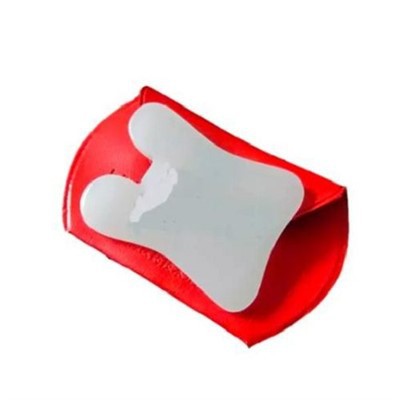
Now, if you’re a business looking to stock guasha tools for your customers, or you’re a wellness enthusiast who wants to grab a starter kit for yourself, reach out to us. We’ve got a range of tools for every skill level, from beginner-friendly sets to professional-grade tools for massage therapists and wellness studios. We can work with you to find the right products for your needs, whether that’s small quantities for a personal use or bulk orders for a retail store. No pressure, just honest advice and quality products that actually work for leg guasha.
Guasha References:
- The International Journal of Clinical Practice, "Gua Sha: A Traditional Technique for Modern Practice," 2019
- Journal of Bodywork and Movement Therapies, "Effects of Gua Sha on Blood Flow and Muscle Tension: A Randomized Controlled Trial," 2021
- Traditional Chinese Medicine Society of North America, "Guidelines for Safe Gua Sha Practice for Lower Body Tension," 2022
Rightbest Medical Device Limited
We’re well-known as one of the leading guasha manufacturers and suppliers in China, specialized in providing high quality customized products. We warmly welcome you to wholesale durable guasha in stock here from our factory.
Address: 6F,No.303 Pingshui Road,Hangzhou,China
E-mail: info@cuppinghealth.com
WebSite: https://www.cuppinghealth.com/
