If you’ve ever lifted a 50-pound bag of livestock feed and felt it bend slightly in your hands—whether you’re a small-scale rancher hauling it to a pickup or a farm hand tucking a stack of them into a storage shed—you’ve experienced the most underrated feature of livestock feed composite bags: their flexibility. As a supplier of these bags, I get asked this question all the time: “Flexible? But feed bags hold heavy, dry material—don’t they need to be rigid?” The short answer is that flexibility isn’t a flaw in our bags; it’s a carefully engineered benefit that impacts everything from shipping efficiency to on-farm usability, and even the shelf life of the feed inside. Let’s break down what that flexibility actually means, why it matters for livestock operations, and how we design our bags to balance give with durability. Livestock Feed Composite Bags
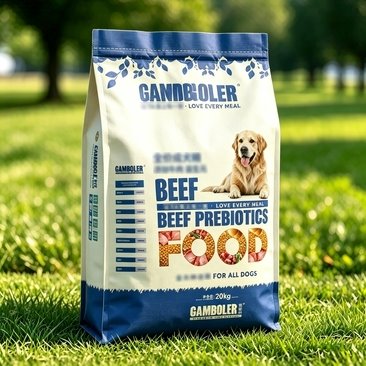
First, let’s get specific about what “flexibility” refers to here, because it’s not just the softness of a grocery bag. Livestock feed composite bags are multi-layered structures, usually made with a mix of plastic resins (like high-density polyethylene, or HDPE, and linear low-density polyethylene, or LLDPE) and sometimes a thin layer of polyethylene terephthalate (PET) or woven polypropylene. The “flexibility” comes from how these layers are calibrated during manufacturing, not just from using thin plastic. Too rigid, and the bag will crack under the pressure of being stacked in a warehouse or jostled during transport, spilling feed and creating waste that no farmer can afford—especially with the rising cost of grain and livestock feed. Too floppy, and it will sag when full, be hard to pour from, and tear when being moved around a farm where sharp edges, barbed wire, and rough equipment are common. That balance is exactly what we focus on as a supplier.
I learned this the hard way early on in my time in this industry, when a local dairy farmer brought back a shipment of our first prototype feed bags. He said the bags were so stiff that when his farm hand tried to pour feed into a trough, the bag wouldn’t fold at the spout, so feed spilled everywhere instead of flowing smoothly. Worse, a week later, half the stack of these bags on his delivery truck had cracked along the bottom seam because they couldn’t bend with the truck’s bumps on the rural dirt roads. That feedback wasn’t a rejection—it was a lesson. So we went back to the drawing board, adjusting the ratio of LLDPE, which is more flexible and impact-resistant, to HDPE, which adds the structural rigidity needed to hold 50, 60, or even 100 pounds of feed. We also adjusted how the layers are bonded, so the bag can flex without separating at the seams. The result? Those revised bags worked exactly as needed: they stayed rigid enough to hold their shape when stacked, but bent easily at the spout for pouring, and flexed with the road vibration instead of cracking.
Now, let’s talk about why this calibrated flexibility matters for different types of livestock operations, because a bag for chicken feed isn’t the same as a bag for horse feed or cattle feed. For small-scale backyard farmers, who might only buy a 25-pound bag of feed once a month to feed a handful of chickens or goats, flexibility is all about usability. A flexible bag is easy to carry one-handed, easy to store in a garage shelf or a feed bin, and easy to pour from without a funnel—no more wrestling with a stiff bag that won’t let you direct feed into a small feeder. For large commercial operations, though, flexibility plays into operational efficiency and cost savings. Commercial farms often ship thousands of bags at a time, and the flexibility of the bag directly impacts how many bags you can fit on a pallet, which cuts down on shipping costs. Rigid bags take up more space, so a standard pallet that can hold 500 flexible feed bags might only hold 400 rigid ones—over the course of a year, that’s thousands of dollars in extra freight fees that a farmer can avoid with the right bag.
Another often-overlooked benefit of flexible livestock feed composite bags is their ability to protect feed from damage, both during transport and storage. Wait, that sounds counterintuitive—how can a bag that bends offer better protection? Let’s think about what happens when a bag of feed gets dropped, which is a daily occurrence on farms. A rigid bag will hit the ground with full force, and the impact can rupture the seams or puncture the plastic, exposing the feed to moisture, pests, or oxygen that can ruin it. A flexible bag, on the other hand, absorbs that impact like a cushion. The layers bend slightly on contact, dispersing the force of the drop instead of letting it concentrate at a single point. I’ve seen this firsthand: a beef feed lot manager told me that after switching to our flexible bags, they saw a 12% drop in spoiled feed from damaged bags that were dropped or stacked too high in the open-air storage sheds on their property. That’s not a small number when you’re talking about tons of feed a month.
Flexibility also ties into how the feed inside ages, and that’s a big one for farmers who rely on their feed keeping its nutritional value. Most livestock feed has added vitamins, minerals, and proteins that break down when exposed to air or moisture over time. The layers of our composite bags are designed to have a certain amount of give, but they’re also laminated with a thin barrier layer that’s almost impermeable to oxygen and moisture. Here’s where the flexibility comes in: when the bag is filled and sealed, it’s not a rock-hard structure that can’t expand or contract as the feed’s moisture content shifts slightly (which is normal, even for dry feed). If a bag were completely rigid, the pressure from the feed expanding or contracting would cause the seal to loosen, letting in air. Our flexible bags “breathe” just a little—enough to accommodate minor shifts in the feed’s volume without breaking the seal, which extends the shelf life of the feed by weeks or even months. That’s a huge deal for farmers who buy feed in bulk to take advantage of seasonal price discounts, rather than buying small bags every week.
Of course, there are limits to flexibility, and that’s a line we never cross. A bag that’s too flexible will tear when being handled, especially in the fast-paced environment of a commercial farm where workers might be moving dozens of bags an hour. We test every batch of our bags for what’s called “elongation at break”—meaning how much the bag can stretch before it rips. For livestock feed bags, we target an elongation at break of around 300 to 400%, which might sound like a lot, but it’s the sweet spot. That means if a bag gets caught on a sharp metal edge on a farm’s loading dock, it will stretch instead of tearing immediately, giving the worker time to free it without spilling feed. We also test the seam strength, because even a flexible bag won’t do any good if it splits along the top when you’re carrying a full 50-pound load. Our heat-sealed seams are designed to flex with the bag, so they don’t separate when the bag is being lifted, stacked, or moved around a farm.
I’ve had farmers tell me they used to buy cheaper, thinner feed bags that were so flexible they would sag and fold over when half-full, making it impossible to pour feed without making a mess. Others have had bags that were too rigid, cracking during transport and leaving them with spoiled feed that had to be thrown away, wasting hundreds of dollars. That’s why we emphasize that flexibility in these bags is not just a nice-to-have—it’s a functional feature that’s tailored to the needs of livestock producers, whether they’re raising a dozen chickens in their backyard or 2,000 head of cattle on a commercial ranch.
Another angle that’s important to mention is sustainability, which is a big concern for farmers these days as they look for ways to reduce waste and lower their environmental footprint. Our flexible composite bags are designed to be recyclable, and their lighter weight compared to rigid bags means less plastic is used per bag—up to 20% less, in some cases. That adds up to less plastic waste going into landfills, and it also means lower fuel use during shipping, because the lighter bags require less energy to transport. The flexibility of the bag also makes it easier to compact after use, so farmers can recycle them more efficiently, rather than having to deal with bulky rigid bags that take up more space in recycling bins.
Let’s also talk about how we test our bags’ flexibility to make sure they hold up to real-world conditions, not just lab tests. We work with a network of farmers across different regions, from the flat Midwest where roads are smooth to the rocky hills of Appalachia where dirt roads are bumpy. We send them test batches of our bags, and they give us feedback on everything from how easy it is to pour feed to how the bags hold up after being stacked for months in open storage. Last year, a sheep farmer in Montana told us that his biggest issue with previous feed bags was that they would freeze and crack in the harsh winter temperatures there. Our flexible bags, he said, bent easily even when frozen solid, so they didn’t split when he was moving them in the snow. That’s the kind of real-world testing that makes our bags’ flexibility work for farmers, not just on paper.
At the end of the day, when a farmer asks me about the flexibility of our livestock feed composite bags, I don’t just talk about polymers and elongation rates. I talk about how that flexibility translates to less wasted feed, lower shipping costs, easier handling for farm workers, and feed that stays fresh longer. Those are the things that matter most to the people who depend on these bags every day, whether they’re raising livestock for their family or for a global market.
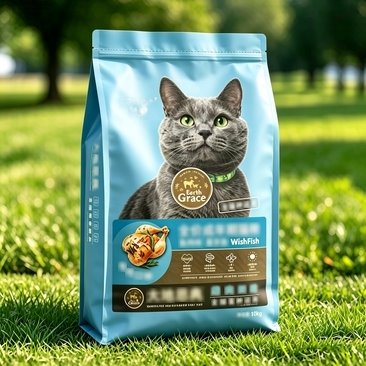
If you’re a farmer, rancher, or feed producer looking for bags that balance flexibility, durability, and functionality for your operation, we’re here to help. Our team can work with you to customize bag sizes, materials, and features to fit your specific needs, whether you’re feeding small backyard flocks or large commercial herds. We’ve spent years refining our products based on the feedback of farmers like you, and we’re committed to providing bags that make your daily work easier, not harder. For more information or to discuss your requirements, feel free to reach out to our team for a consultation.
Pet Food Woven Bags References:
- Soroka, K. (2019). Flexible Packaging Technology (2nd ed.). Wiley.
- USDA Agricultural Marketing Service. (2021). Packaging Guidelines for Livestock Feed and Grain. U.S. Department of Agriculture.
- Selke, S. (2014). Plastics Packaging: Properties, Processing, Applications, and Regulations (2nd ed.). Hanser Publications.
- Livestock Packaging Association. (2022). Best Practices for Bulk Feed Packaging in Commercial Agriculture. LPA Technical Bulletin No. 07-22.
- Patel, R., et al. (2020). Impact Resistance of Flexible Composite Packaging for Agricultural Applications. Journal of Agricultural and Food Packaging, 22(3), 189-205.
Zhejiang Xifeng Packaging Co., Ltd.
We are one of the most experienced livestock feed composite bags manufacturers and suppliers in China. With a professional production team, we offer a wide range of products with superior quality. Please feel free to buy bulk livestock feed composite bags at competitive price from our factory. We also accept customized orders.
Address: Xiaojiang Town, Pingyang County, Wenzhou City, Zhejiang Province, China
E-mail: zjxifeng@126.com
WebSite: https://www.xifengpackaging.com/
