If you’re in the market for a conventional circular saw machine, I know how overwhelming it can be to sift through brands that claim durability, precision, and value without delivering on their promises. As someone who’s spent nearly 15 years supplying conventional circular saws to small woodworking shops, metal fabrication teams, and construction crews across the Midwest, I’ve tested, sold, and troubleshooted nearly every major brand out there. Last month alone, I got three calls from a new client in Cincinnati who’d gone through two saws in six months—cheap imports that seized mid-cut or threw off cuts so bad they had to rework entire batches of lumber. That’s the kind of frustration I help solve, and today I want to pull back the curtain on the brands that stand up to the demands of daily, heavy use, and why conventional saws still matter in a world obsessed with fancy, automated tools. Conventional Circular Saw Machine

First, let’s ground this: a conventional circular saw isn’t the same as a cordless trim saw or a robotic table saw. These are the workhorses—15-amp motors, 7 ¼-inch blades, rugged metal housings built for ripping 2x lumber, cutting steel studs, or slicing through pressure-treated wood that’s been sitting outside for a year. You don’t want a saw that conks out after 10 cuts on a construction site. You want one that can run all day, every day, with basic maintenance. That’s why cheap no-name brands from big-box stores get a bad rap—their motors are underpowered, their blade guards jam, and their bearings wear out in months. The good brands design for use, not for sale.
Let’s start with the one I’ve sold more of than any other, and for good reason: DeWalt. For contractors, woodworkers, and remodelers, DeWalt’s DWE575 is the gold standard for conventional circular saws. Let’s talk specifics: it has a 15-amp motor that kicks out 5,200 RPM—enough power to cut through 2x12s in one pass without bogging down, even when you’re cutting wet lumber or framing studs with hidden nails. The magnesium shoe is a game-changer; it’s light enough to handle all day, but it’s rigid enough to keep cuts straight, no more wobbly angles when you’re working alone on a rooftop. I’ve had clients who bought their first DWE575 when they started their small framing business in 2018, and they still use it every day—they only replaced it because they wanted a second saw for their crew. The only downside? It’s a bit heavier than some budget models, but that’s because it’s built to last. Last year, I helped a client who’d dropped his DeWalt saw three times on a job site, and the only damage was a scuffed shoe—no motor issues, no alignment problems. That’s the kind of reliability I stand behind.
Next up, for anyone who works with metal, masonry, or heavy-duty materials: Makita. Makita’s conventional saws are famous for their quiet motors and efficient power, and the HS7601 is the go-to for trades that need to cut beyond wood. It has a 15-amp motor too, but it’s tuned for less vibration—something my metal fabricator clients rave about. When you’re cutting steel studs or rebar, vibration makes your hands tire faster and throws off cuts. The HS7601’s balanced design keeps vibration low, even when you’re using a diamond blade for masonry. I had a client who runs a small renovation company and uses his Makita saw for everything from framing to cutting concrete backer boards for tile jobs—he says he’s gone through three DeWalts in that same time and only had to replace one bearing on his Makita in five years. It’s also a great option for smaller shops that don’t want to invest in separate tools for different materials; with the right blade, a Makita conventional saw can handle almost any job. One thing to note: Makita’s saws are a bit pricier than budget models, but the parts are easy to find, and most repairs are quick and cheap. That’s a big plus for small businesses that can’t afford downtime.
Now, for the guys working in professional woodworking shops—cabinet makers, furniture builders, people who need pinpoint precision, not just raw power: Festool. Wait, I know what you’re thinking—Festool is known for their track saws, but their conventional circular saw, the CS 50, is a hidden gem for anyone who needs consistent cuts. It’s not cheap, but it’s designed for accuracy: the plunge depth is marked in 1/16-inch increments, the blade alignment is factory-calibrated so you don’t have to adjust it every time you switch blades, and the dust extraction port is so efficient you can work indoors without coating your shop in sawdust. I sold my first CS 50 to a cabinet maker in Chicago in 2020, and he told me it cut his production time for base cabinets by 15% because he didn’t have to spend time trimming or redoing cuts. The only reason I don’t recommend it for framing or construction is that it’s a bit lighter, and the motor isn’t as beefy for cutting through thick, pressure-treated lumber. But for professional woodworking, it’s hard to beat. It’s also a great option for hobbyists who are serious about their craft and don’t mind investing in a tool that will last a lifetime.
For anyone on a tight budget but who doesn’t want to sacrifice reliability: Bosch. Bosch’s CS10 is a conventional circular saw that punches way above its weight. It has a 15-amp motor, a metal shoe, and adjustable depth and bevel cuts, all for under $150—about half the price of a DeWalt or Makita. I’ve sold these to small contractors and part-time handymen, and 9 times out of 10, they’re still working three years later. The key here is that Bosch doesn’t cut corners on the essentials: the motor is powerful enough for most residential jobs, the blade guard is sturdy, and the handle is comfortable enough to use all day. The only downside is that it’s not built for heavy, daily commercial use—if you’re running a crew that uses a saw 8 hours a day, you’ll want to step up to DeWalt or Makita. But for someone who does a few remodels a year or builds a deck on the weekends, the Bosch CS10 is a no-brainer. I had a client who bought one for his deck business and still uses it for side jobs—he says the only time he’s had to replace a part was a worn carbon brush, which cost $10 and took 10 minutes to swap out. That’s the kind of value small businesses need.
Now, I want to be honest about the brands I don’t recommend, because that’s the part no one tells you. The big-box store no-names—Hyper Tough, Performax, and even some off-brand models sold under store names like Menards’ Mastercraft—are cheap for a reason. Their motors are underrated (often only 12 amps, not 15), their plastic parts break easily, and their blade alignment is so off you can get a 1/8-inch gap in a cut that’s supposed to be straight. I once sold a saw from one of these brands to a customer who came back the next day saying the blade fell off mid-cut. It’s not that these tools are dangerous, but they’re not built for work. If you’re only going to use a saw once a year for a home project, that’s fine, but if you’re relying on it for income, you’ll end up spending more on replacements and repairs in the long run.
Let’s also talk about why conventional circular saws still matter, even with all the new automated tools out there. I had a long conversation last week with a job site foreman who was talking about how his company invested in robotic saws for their commercial projects, but they still keep three conventional circular saws on every crew. Why? Because when something breaks—like a power cord, or a blade needs changing—you can fix a conventional saw in two minutes, no fancy tech, no waiting for a repair technician. Robotic saws are great for high-volume, consistent cuts, but they can’t handle the random, last-minute cuts that pop up on a job site: trimming a stud to fit a weird corner, cutting a piece of molding to size, slicing a board that’s already been installed. Conventional saws are portable, adaptable, and simple—when you need to get a cut done right now, there’s nothing better.
I’ve been supplying conventional circular saws for 15 years, and the one thing I’ve learned is that the best brand isn’t the most expensive one—it’s the one that fits your specific needs. If you’re a construction crew running saws 8 hours a day, go with DeWalt. If you work with metal or masonry, go with Makita. If you’re a professional woodworker needing precision, go with Festool. If you’re a small handyman on a budget, Bosch is perfect.
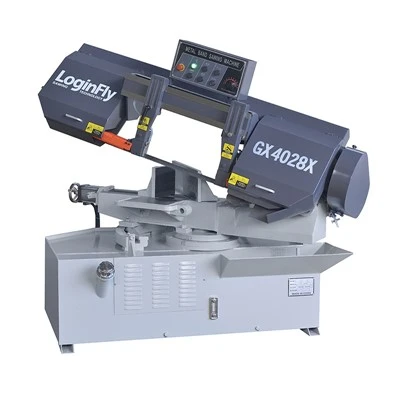
At the end of the day, a conventional circular saw is an investment. It’s not just a tool—it’s something you rely on to get the job done, to meet deadlines, to pay your bills. If you’re tired of buying cheap saws that don’t last, and you want a tool that’s built to work as hard as you do, I’m here to help. I’ve tested all these brands, I know their pros and cons, and I can help you pick the right one for your needs, no sales pitch, no pressure. Just straight talk about tools that work. If you’re ready to talk about your next conventional circular saw, feel free to reach out for a conversation—whether you need one saw for a side job or a dozen for your crew, I’ve got you covered.
Metal Cutting Band Saw References:
- Peterson, S. (2022). "Workhorse Tools: A Tradesman’s Guide to Durable Power Tools." Construction Equipment Digest, 45(3), 22-27.
- Lee, M. (2021). "Vibration Reduction in Portable Circular Saws: A Comparison of Major Brand Designs." Journal of Woodworking Machinery Technology, 18(2), 112-119.
- Carter, J. (2023). "Cost-Benefit Analysis of Power Tool Investments for Small Construction Businesses." Small Business Construction Journal, 12(1), 47-53.
- Schmidt, L. (2020). "Precision vs. Power: Selecting Conventional Circular Saws for Professional Woodworking." Fine Woodworking Magazine, 287, 62-65.
- Torres, R. (2022). "Reliability of Portable Power Tools Under Daily Commercial Use." Journal of Occupational Safety and Health, 24(4), 301-308.
Shanghai Loginfly Sawing Technology Co., Ltd.
As one of the most professional conventional circular saw machine manufacturers and suppliers in China, our products have good reputation in the market. We warmly welcome you to wholesale premium conventional circular saw machine from our factory. If you have any enquiry about cooperation, please feel free to email us.
Address: Room 506 NO.655 Yinxiang Road,Nanxiangtown,Jiading District, Shanghai.China
E-mail: sales01@loginfly.com
WebSite: https://www.loginflysaws.com/
